Previous Best Podcast lists: 2017/2018/2019/2020/2021/2022/2023/2024
In the pursuit of ad revenue and social media traction, video podcasts have become a dominant force. However, it is too early to determine whether this trend signifies trouble for podcasting companies or if this revenue stream can help fund shows that will continue to deliver quality entertainment without requiring visuals.
Best Podcast Episodes
Runner Ups:
- Who Taught Beavers to Build Dams? Unexplainable
- Chronic Pain is a Hidden Epidemic, The Daily
- How AI Could Change the Future of Music, Plain English
5. Search Engine, America vs. China
A fascinating examination of what it is like to live in China compared to the United States, as told by “life critic” Dan Wang. Some of his most insightful observations include the assertion that China is a right-wing regime masquerading as a left-wing government. I was surprised to learn that China has a threadbare social welfare system; President Xi stated that the system is designed to “prevent people from getting lazy.” Always a great host, PJ Vogt incredulously inquires whether leadership in China today is similar to the U.S. under Reagan. Wang concludes that China is led by engineers while the U.S. is led by lawyers, which explains why it is so much easier to complete major construction projects in China. However, Wang also points out that having civil rights guaranteed by lawyers means that U.S. citizens are better protected and feel the freedom to take risks with innovative ideas.
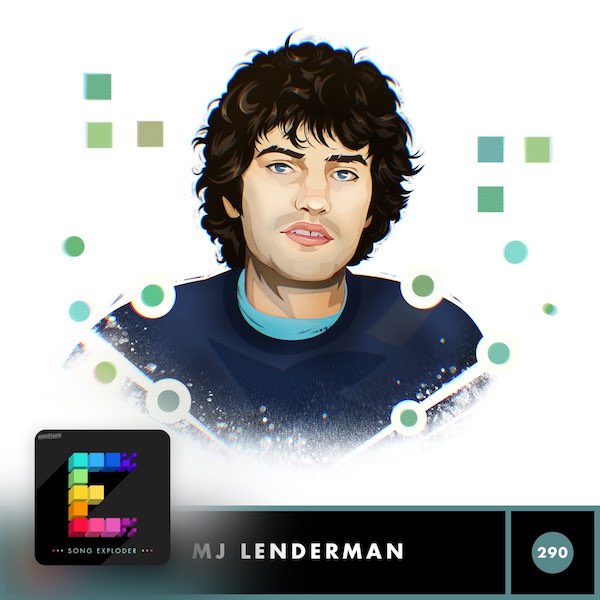
4. Song Exploder, MJ Lenderman – You Don’t Know The Shape I’m In
I loved MJ Lenderman’s last album; however, in my write-up last year, I didn’t mention one of my favorite songs because I thought it might only have niche appeal. I was shocked that it was picked to be featured on this classic podcast. Lenderman discusses the strange writing process that led to this song. It is no surprise that he values humor in his music, but the fact that almost all of his songs start with something that makes him laugh is astonishing. It was enlightening to hear the origins of his line about the half-mast McDonald’s flag and I never would have guessed how much inspiration for this song came from the Hulk cartoon of the 90s. The lyrics always included a line about playing the clarinet while walking away, but the actual clarinet part was only included because he happened to run into a friend with a clarinet at the recording studio. It was great to hear the significant changes that the song went through following the first drafts. Interestingly, part of this transformation stemmed from his desire not to replicate the sound of his prior album, which was finding an audience at the time he was recording this song. I do wonder if Lenderman is being purposefully vague by not connecting this song to the breakup he experienced while writing the song, but maybe some inspirations are better left private.
3. Proxy, Bisexual Wife Guy
Yowei Shaw interviews a man who struggles to move on after his ex realized she was bisexual and left him for a same-sex relationship. I was pleasantly surprised that he wasn’t bitter or hateful; instead, he simply needed answers to questions he didn’t feel comfortable asking his ex. Shaw brings in Hanna Rosin (from Invisibilia) to act as a proxy since she also discovered her bisexuality and left her husband years earlier. The conversation is emotional and insightful. Rosin discusses the excitement of preparing for new life experiences, balanced with the pain inflicted on loved ones. You can hear his understanding expand as he acknowledges that people change and that there is nothing different he could have done.
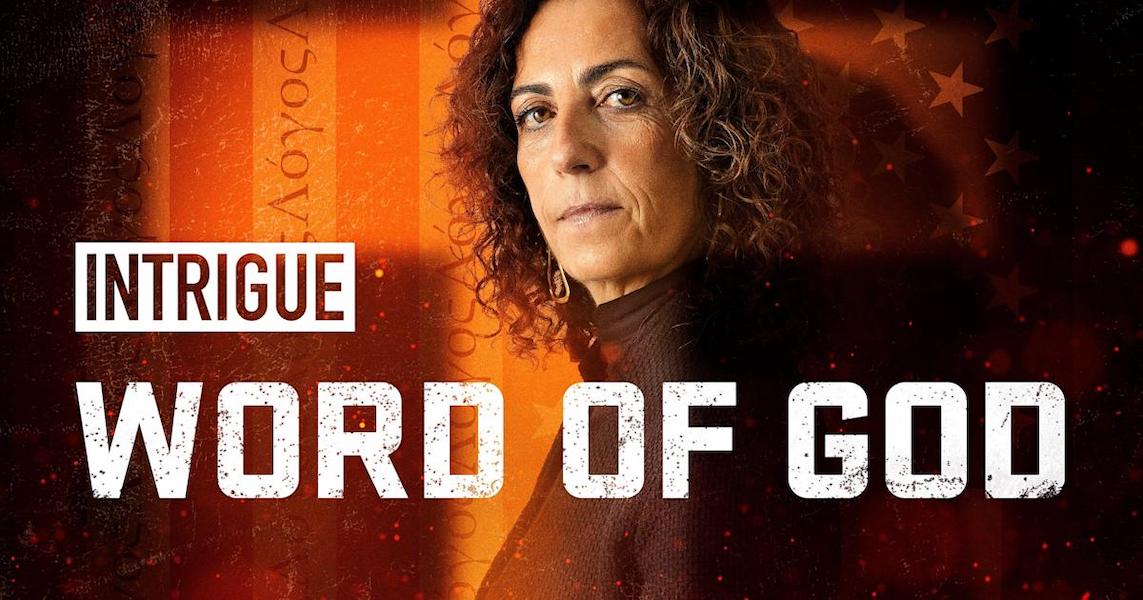
2.Word of God, You’ve Got Mail
This podcast investigates how the owners of Hobby Lobby sought to build an influential evangelical museum in Washington, D.C., filled with artifacts often acquired through illegal practices. This episode focuses on the aftermath of U.S. Customs finding 3,500 artifacts smuggled in Hobby Lobby shipments that were stolen from Iraq. It is inspiring to hear about the ordinary people who fought hard against these crimes committed by powerful forces. This podcast serves as a reminder that many evangelicals will go to extreme lengths to support their causes.
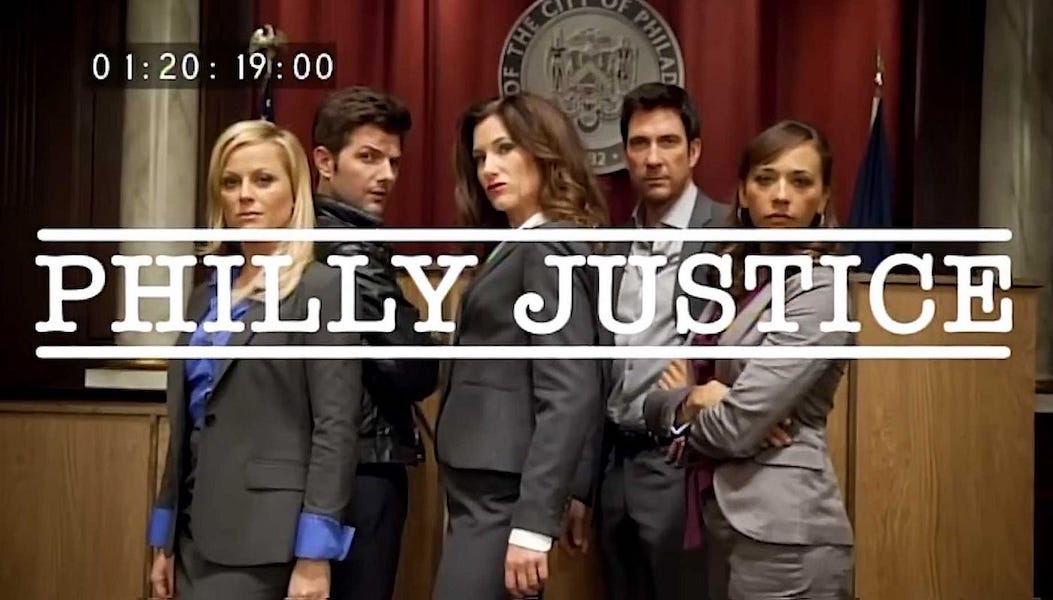
1. Good Hang, Philly Justice
Most of this podcast consists of an interview with sitcom master Mike Schur, who shares hilarious details about creating character names in television shows that are so rare there will be no legal repercussions. Some of my favorites are Marv Vavavma, Ophelia Pipopepi, Tyrion Fonzarelli, Gretzky-Susan Pelengrino, and of course, Summer Olé-Kracken Frogfrong. But the real purpose of the episode was to discuss Philly Justice. Poehler had built anticipation in previous episodes by frequently talking about the fake show created as a joke while they were actually trying to film real episodes of Parks and Recreation. The joke likely kept escalating, as Schur strives to create space for writers and actors to be creative. Poehler brings in Adam Scott, Rashida Jones, and producer Morgan Sackett to explore how a silly joke turned into a major production. Procrastination of real work was a factor in its creation. They had no idea that 15 years later they would share it with the world… on people’s phones using something called a “video podcast.”
Best Overall Podcasts
Runner Ups:
- Retrievals
- Stanland
- Dollop

5. Why is Amy in the Bath?
I love how seriously this podcast takes the question, “Why does Amy Adams take so many baths in her movies?” Brandon Reynolds and Gabby Lombardo conduct legitimate research on this topic and discover that 8% of films feature a woman in the bath. Their investigation is hilarious, and the interplay between the hosts makes this podcast work so well. Their “cinematic bathtub series” rivalry with a mysterious copycat podcast covering Nicole Kidman is played perfectly. I just wish they had time to resolve whether Lydia Tár is a real person.
4. Sea of Lies
I’m not usually interested in true crime stories, but this one was fascinating. A body was found by fishermen in the UK, which started years of investigations eventually pointing back to a Canadian man, whose history of betrayals is beyond belief. Host Sam Mullins emphasizes how much luck was involved in the investigation and how seemingly inconsequential choices determined the fate of a con man/murderer. I find it interesting how hard it was for the antagonist to disappear. We’ve been conditioned by movies to think it is easy to get new identities and restart somewhere new, but this podcast helped me realize that forging a new identity is not easy!
3. Chinatown Sting
A series of young mothers in Chinatown received international packages containing about $18 million (adjusted for inflation) worth of heroin in 1988, but the DEA was watching and waiting. The drama that unfolded from this sting lasted many years and changed many lives. Lidia Jean Kott and Shuyu Wang delve into how Chinese gangs in New York operated and how they used mafia-style intimidation to rise to power. The podcast investigates themes of friendship, betrayal, and loyalty to community. It highlights that if immigrants or marginalized communities feel they can’t trust the judicial system, they will likely turn to organized crime for protection and necessary resources…we could learn from this.
2. Question Everything
Brian Reed has a history of podcast successes with This American Life, S-Town, and the Trojan Horse Affair. His podcast on the issues involved in journalism is good, but it reached new heights when he began to build a case for repealing the 1996 law (Section 230) that shields tech platforms from being held responsible for the content on their sites. People can—and have—sued Alex Jones for spreading damaging lies, yet algorithms on Facebook, YouTube, and X generate huge profits based on similar kinds of falsehoods. Studies have shown that lies travel six times faster and reach far more people on Twitter/X compared to true posts. Reed has even made a call to action to support the campaign. Podcast activism?! He also offers powerful insights on topics like billionaires flexing influence, Meta’s unwillingness to remove scam advertisements, and Steve Bannon’s “Flood the Zone” strategy of misinformation, which was borrowed from the Putin playbook.
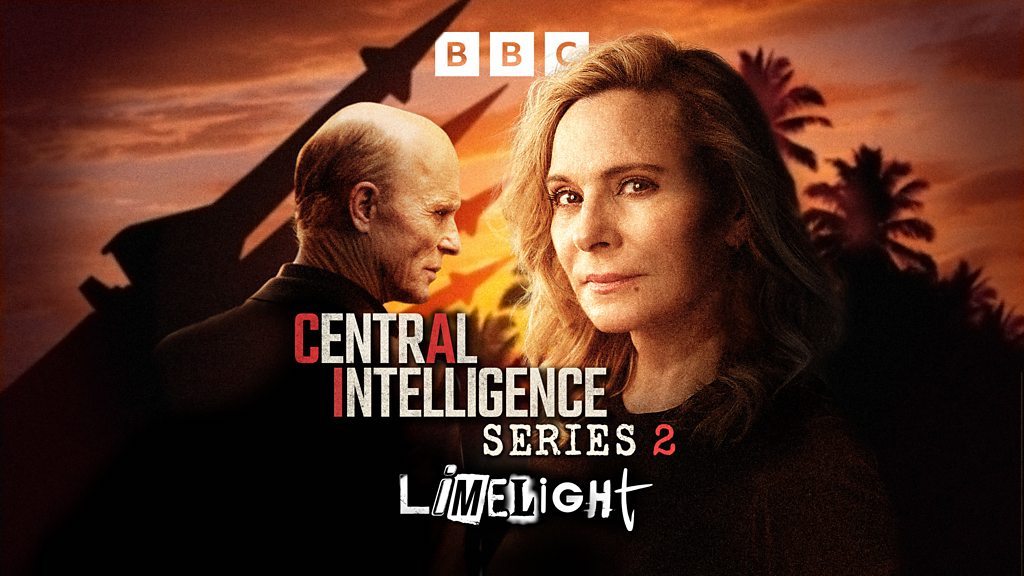
1. Central Intelligence by BBC Limelight
The drama unfolding in the CIA during the Cold War was extensive, and this dramatization provides a compelling narrative while explaining how historical events unfolded, with impressive writing and voice acting led by Ed Helms and Kim Cattrall. I learned a great deal about many significant world events in their historical context. It is fascinating to hear how small factors and shifts can lead to monumental historical events. The podcast also features acerbic humor regarding the CIA’s missteps. I particularly love how they crafted the lines for the bombastic Frank Wisner, which were brought to life by Geoffrey Arend.
 Middle of the Row