Another year, another Oscar weekend, another A Year In Film from me! 2024 was a pretty solid overall, my number one is a full five stars, and I think a couple others could maybe get there on future viewings. I found the middle batch of movies to be quite close in feeling. There were 20-25 movies I could have moved around in any order and not really felt too strongly one way or another that this is the proper ranking. Not that the ranking matters, mind you, I’m just hoping to illustrate that there were a lot of movies that I thought were pretty damn good.
Past Best Of content by me:
A Year In Film: 2023, 2022, 2021, 2020, 2019, 2018, 2017, 2016, 2015, 2014, 2013, 2012, 2011, 2010, 2009, 2008, 2007
The Decade’s Best: 2010-19 – Part 1, Part 2, Part 3, Part 4
The Decade’s Best 2000-09 – Part 1, Part 2, Part 3
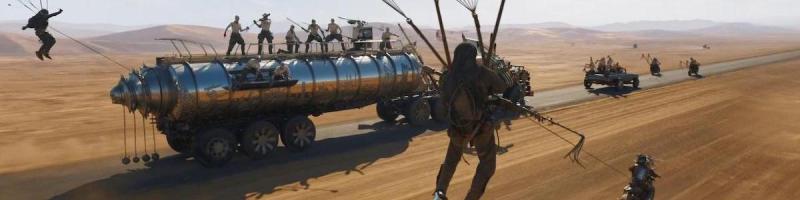
Best Scene of the Year: They Fly Now? – Furiosa: A Mad Max Saga
When those parachutes opened in Furiosa’s big rig action scene, Miller took things to another level. This standout sequence was better than any isolated sequence in Fury Road, save for (maybe) the finale gauntlet run back down the path they came from. The aerial angle of the fight introduced a new element into the mix, not just for the fighting but for our vantage point of all of the action taking place on and around the rig. Added to all of this was the stowaway element of the movie, and watching Furiosa getting pulled into the fight is just as inventive as the flying ski motorcycle guys. Plus, that near final shot of the Octoboss being pulled in to his demise, you could hang it on the wall. George Miller!
Some other candidates:
Paul wins over the Fremen in Dune: Part Two, Any time Tilda Swinton is on screen in Problemista, Arthur admires the statue in La Chimera, Storming the White House & Jesse Plemons goes rogue in Civil War, The Flood in The Beast, The final set in Challengers, Sterling Cooper in Unfrosted, All the apologizing in the final moments of I Saw the TV Glow, Margaret loses control in The First Omen, Watching the home video in Kinds of Kindness, Desecrating Logan in Deadpool & Wolverine, Josh Hartnett tries to convince his daughter it would be cool to go in the trap door in Trap, Everything with Monstro Elisasue in The Substance, Edward’s gets a new face in A Different Man, Assault on the beaver mill in Hundreds of Beavers, Dad wakes up in His Three Daughters, Trying to tie up Ani in Anora, Birth in a bathroom in We Live In Time, The camera moves in Here, Café de Paris in Blitz, Ships in the Colosseum in Gladiator II, Popular in Wicked, László and Harrison have a drink in The Brutalist, Bodies meld in Queer
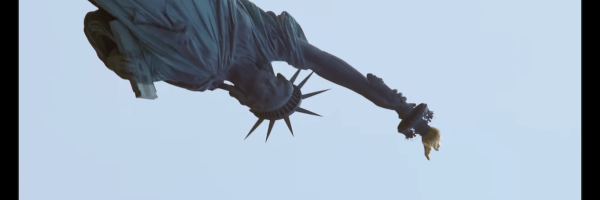
Best Shot of the Year: The Statue of Liberty in The Brutalist
Starting in the darkness, barely able to tell who we are following or where we are, you slowly realize you are in the belly of the boat. The long take continues, you begin to put together that this must be our lead character and as you see some strips of daylight hit the camera and the music begins to swell, I thought to myself, “Holy shit, is he going to emerge out of the boat and we are going to see the Statue of Liberty as these immigrants arrive in America?”, and that image hits with the score blasting and you know right there you are in for something special with The Brutalist.
Some other candidates:
Air in the tomb in La Chimera, The little wave in Red Rooms, Sue sits in front of Elisabeth’s portrait in The Substance, The Joker escapes the court room in Joker: Folie à Deux, Benitez addresses the conclave in Conclave, Benji assess the airport in A Real Pain, Elphaba defies gravity in Wicked, The canal boat speed reveal in Wallace & Gromit: Vengeance Most Fowl

Nowhere Near As Bad As People Said: Joker: Folie à Deux
Look, this movie was good. When Joaquin started talking like Foghorn Leghorn in that court room, I wanted to stand up and applaud. Todd Phillips put every penny up on that screen and crafted some insane single takes and shots, plus he really went for it to end the movie the way he did. My biggest complaint was that I wish we had a bit more Gaga, but who wouldn’t want more Gaga. Anyways, this was one of the biggest gulfs in my opinion vs. everyone else this year (4 Stars vs 2.4 average on Letterboxd), but I will stand up for it!
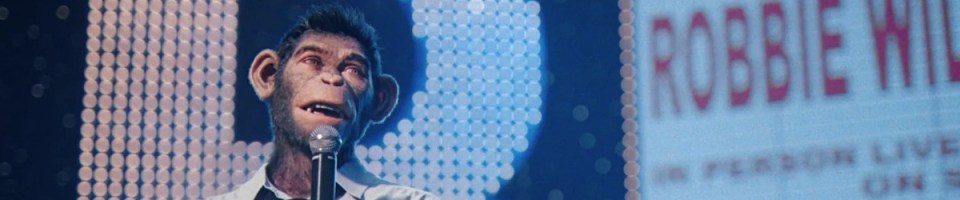
The One I Wished I Watched: Better Man
Every time I heard someone talk about this Robbie Williams biopic where he is played by a CGI monkey, they were bowled over by it. It barely got to play in theaters around here and came to VOD pretty late in the game of writing this. There are some truly emphatic responses out there and I was so curious, but, alas, I never got around to seeing it. I can’t wait to catch it sooner rather than later.
Others I Wished I Watched:
The Room Next Door, Bird, Pedro Páramo, Good One, Do Not Expect Too Much from the End of the World, Dahomey, Housekeeping for Beginners, Oh, Canada, September 5, Hard Truths, The Piano Lesson, All We Imagine Is Light, The Fire Inside, The Girl with the Needle, Close Your Eyes
To the list!!!
The Also Rans (All Movies Worth Your Time And Discussion):
Mean Girls, Deadpool & Wolverine, Will & Harper, Joker: Folie à Deux, My Old Ass, Trap, Inside Out 2, Unfrosted, Janet Planet, The Idea of You, Hundreds of Beavers, Juror #2, Beatles ’64, Wallace & Gromit: Vengeance Most Fowl, Memoir of a Snail, The Order
The Contenders:
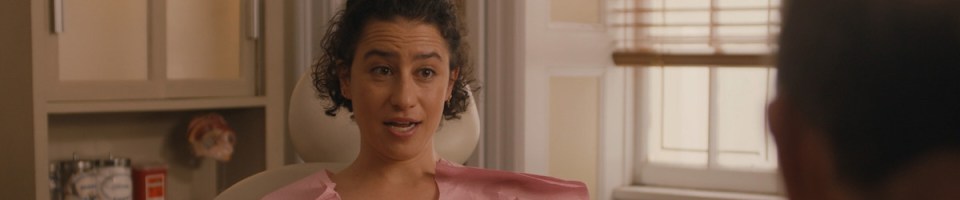
Babes
Pamela Adlon’s show Better Things is one of the underseen gems of this century, so I was very excited to see her feature directorial debut; even more so when I found out it was written by Ilana Glazer as her first big project after Broad City. A lot of great TV work doesn’t necessarily transfer to a great movie, but they both shine in Babes. Glazer is so honest and hilarious about becoming a mother (also see her most recent stand-up special for more of her takes on this subject), while also creating a fresh character that doesn’t lose her voice we’ve come to love in her previous work. Michelle Buteau is also great as the co-lead of the film, being a great friend and reality check on Glazer’s first time pregnancy experience. There is a bit of an inelegant third act wedge thrown between the two, but that can’t damper what was a hilarious film before it and almost earns the wedge by sticking the emotional landing of the ending. The first of many underseen flicks on this list, get watching.
Wicked
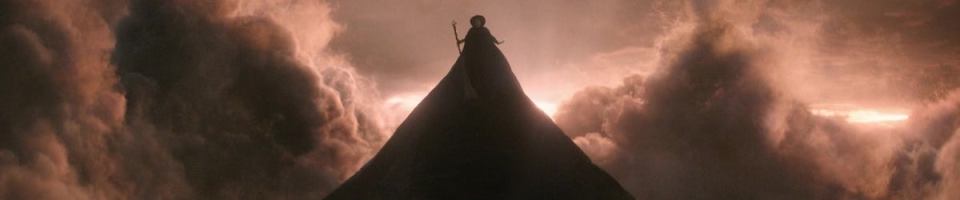
I was certainly one who doubted Jon M. Chu’s emphatic championing of splitting Wicked into two parts (we will have to wait for Wicked: For Good to know if this bet fully pays off), but as for now it seems to have worked out. I had seen the stage show, enjoying the hell out of the first act and felt like the second was really lacking. So far, I still agree! It doesn’t hurt that the film’s anti-facist messaging makes the film feel quite relevant, but the movie sings (no pun) because of the strength of it’s three main cast members. We all knew Cynthia Erivo had the chops, and she’s charming and sympathetic as our green lead, though I was equally won over by Jonathan Bailey’s delightfully positive demeanor. But, it’s Ariana Grande who comes out and steals the show as our entitled rich girl with all the dresses. She delivered one of the funniest performances of the year and, obviously, had the singing and dancing skills needed for the part. Chu also really sticks the finale here, with the big climactic moment of Defying Gravity hitting exactly as powerful as it’s supposed to. I’m intrigued for For Good, here’s hoping the added songs and book story beats flesh out the Wizard of Oz retread that the stage show’s second act couldn’t overcome.

Abigail
The Radio Silence team has been stuck making Scream movies for their past couple features, so color me excited that they were able to extract themselves from that silly franchise, where they were flailing a bit, and return to a dark and dingy mansion where all hell breaks loose. I’m hesitant to write much more about this movie, as I think the movie is best served knowing nothing about it and I sort of wish I got to go into it blind. Having said that, the film works even though the first act reveal was all over the trailers, because there is lots of carnage to be had and the cast is top notch across the board. Dan Stevens, my guy, throws on a New York accent and carries this thing on his back, while Melissa Barrera, Kathryn Newton and Kevin Durand serve as some excellent cohorts in survival along the way. Alisha Weir might be having the most fun though, and there is a real Goode cameo for the finale. So glad to have Radio Silence back out on their own, excited for whatever wild ride they come up with next.

The Ministry of Ungentlemanly Warfare
Guy Ritchie is pumping out movies at about a three every two years pace lately and while that means he might not hit greatness every time out, I feel like he’s getting to try a lot of things out and having fun doing it. After getting a tad lost in the blockbuster/franchise game for a bit, he’s scaled things back, but still has a lot of skills behind the camera. The Ministry of Ungentlemanly Warfare proves that, as this throwback WWII men on a mission film is just a blast from start to finish as we get to watch Henry Cavill and company (Alan Ritchson, Eiza González!, Henry Golding, to name a few) kill a bunch of Nazis. Because, in case you don’t remember, Nazis are bad. I feel like this thing didn’t make barely a blip when it came out, and that’s a shame. Anyone that tapped out on Ritchie should maybe give the guy another shot, and I think this film might be a great place to start.
Evil Does Not Exist
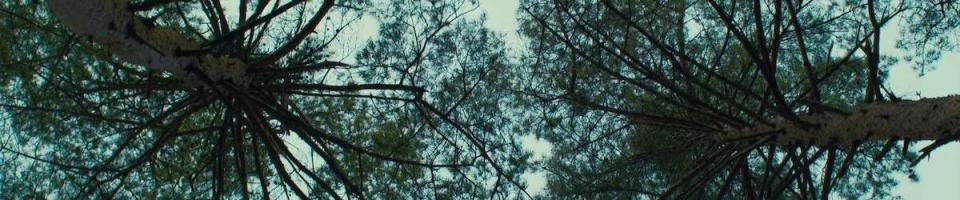
Ryūsuke Hamaguchi’s follow up to Drive My Car was probably never going to reach the heights of that excellent film, and he was smart to scale back and narrow the focus of things a bit with Evil Does Not Exist. Full of meetings shared with us in basically real time, we watch as a corporation goes toe to toe with a small mountain town about the possible construction of a new camp ground. It doesn’t sound riveting, I know, but Hamaguchi makes it compelling and slowly builds up these characters for us to car about them, just enough to be shocked by the finale which is also a bit mystifying as well. In fact, I’m still not full sure what the hell happened, but it gives you a lot to chew on and serves as a reminder that those corporations that are trying to sell you on why their big new idea is so great, probably has some potential unforeseen consequences attached. I’m still pretty new to Hamaguchi’s filmography, but he’s two for two in my book; now I just need to dive into the back catalog.
The Fall Guy
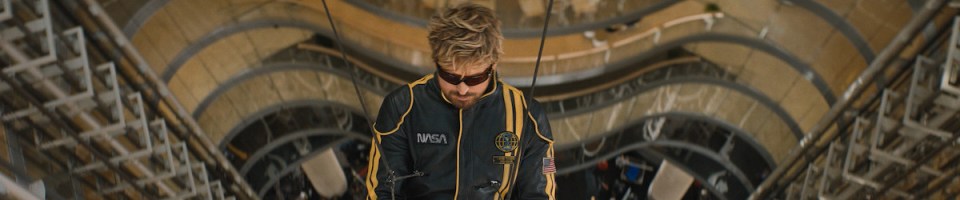
David Leitch’s The Fall Guy is a throwback action comedy that banks it success on the screen presences of Ryan Gosling and Emily Blunt; a safe bet. Gosling is having a blast, being silly and Blunt is matching him step for step. Yes, things tend to get a tad convoluted, but Aaron Taylor-Johnson is able to yada yada us through most of that stuff, while also being an excellent foil by the time things are all said and done. Leitch’s action is as entertaining as you’d hope from the director, and this film’s plot/script has plenty going for it, even if it feels like they are making things up as they go along. That’s just the Gosling of it all, who’s presence is so breezy and effortless I think some people are at risk of not giving this guy enough credit for how entertaining he is. I’m not, and you shouldn’t either.
Babygirl
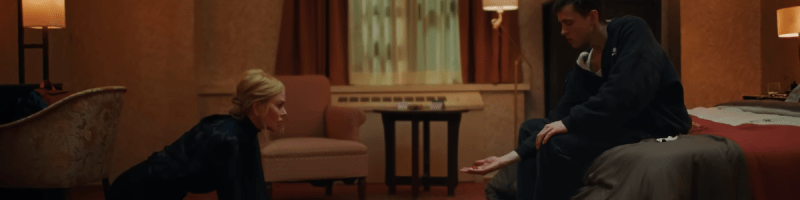
Halina Reijn’s film about figuring out what you want in a relationship, is also about figuring out how to execute those desires once you know what they are. Nicole Kidman and Harris Dickinson star as a CEO and and intern, who end up in a relationship that may be more appealing because of the power dynamics allowed to come into play between the two of them than the sexual attraction between them. From the opening frames, we know Kidman’s character is looking for something she isn’t getting at home with her husband, but Reijn’s script is so good at often subverting our expectations of how this is all supposed to go. It’s characters are figuring it out, and the film shares in that feeling, but not in a way that we feel lost. We all have something to learn about ourselves and one another, and Babygirl is a great character study of how by opening yourself up in that way can lead to stronger and more meaningful relationships; with or without unlocking your kinky side.
Nickel Boys
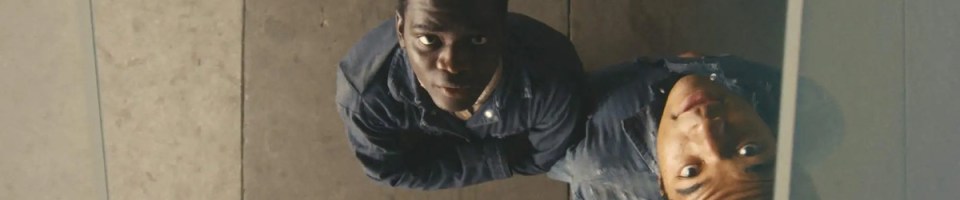
RaMell Ross’ adaptation of Colson Whitehead’s novel takes us into a dramatization of the abuse and atrocities perpetrated at the Nickel Academy (a stand in for the Dozier School) where you were never going to leave reformed, but certainly could end up dead. This story takes place during the Jim Crow South of the 60s and puts us in the shoes (quite literally as the film is told with first person camera work) of a pair of friends who are just trying to get by at the Nickel Academy. Intercut with a flash forward, we know our characters may be doomed, but Ross is constantly able to find moments of connection and beauty and defiance against the levers of oppression by put upon all of these young boys. Ross doesn’t show us the violence, but that doesn’t mean the pain isn’t felt, as Nickel Boys continues to feel timely 60 years after it was set. We shouldn’t have to be continually reminded of how not to treat one another, but Nickel Boys’ ability to put us directly in the perspective of the disenfranchised is a powerful tool for change. If only more people saw it. If only the right people saw it. If only we, as a society, could all say no to treating anyone like this.
Saturday Night
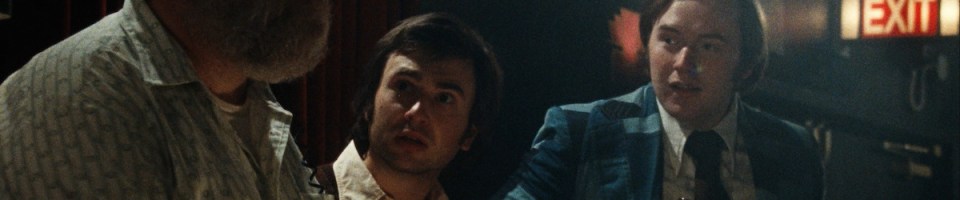
Jason Reitman’s re-imagining of the opening night of Saturday Night Live is full of plenty of truths, even if on a false timeline, but worked for me as a fast paced ensemble that gives you something to laugh at in almost every scene. It’s also Reitman’s most impressive piece of camerawork and filmmaking to date, a major step forward for a guy who usually lets his dialogue do most of the work. The dialogue is pretty great here too, as this large cast of characters is peppered with unique personalities (many of which we already have a relationship with) that all feel quite distinct. No one is really doing an impression of the iconic cast of the first season of SNL, which is probably smart, but they still feel like accurate representations of the way we view these people in our mind’s eye. I don’t know, this is one of many movies this year that I feel like was unfairly maligned, but I had a pretty good time.
Red Rooms
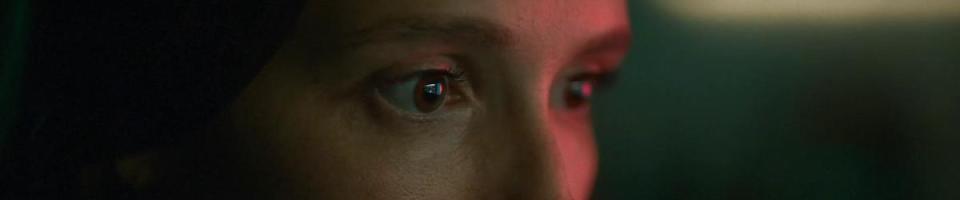
Pascal Plante directs Juliette Gariépy to one of the performances of the year, as they both take us down the path of a twisted mind of obsession about someone who might be as broken as the serial killer they’ve become enamored with. Or have they? Gariépy is so weird and upsetting at times as a loner who spends her time working out, modeling and going to the trial of the local murder of young girls, this person is socially inept and completely unpredictable. Plante uses that to their advantage, as you never really know where Red Rooms is going to go next. It’s rare to watch a movie and to feel that oblivious as to where this all might end, but it’s also exhilarating. Red Rooms takes a bit to get fully going, but once it does you will be locked in.
Kinds of Kindness
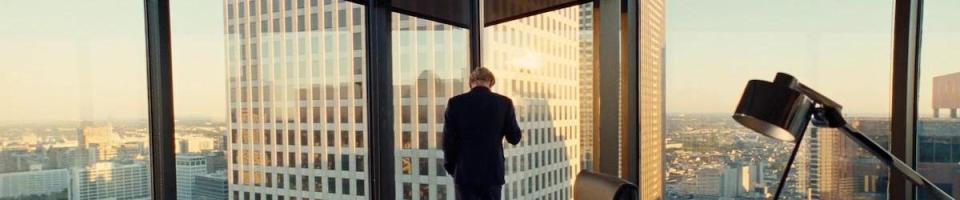
I think this is the lowest Yorgos Lanthimos has appeared on my list since he fully broke through with The Lobster (he’s been top 8 or higher for me with his last four films), but that doesn’t mean there isn’t a lot to be celebrated in Kinds of Kindness. An ensemble of actors appear in a triptych of short films that are thematically connected, what will you do to please another person, and the film is anything but kind. Yorgos returns to the pitch black humor of his past (with each section getting at least one or two genuinely hilarious asides), but that tone paired with the film’s deliberate pacing, extended length and Yorgos’ choice to bring back the unaffected acting style of his early work will certainly turn off the fans he’s gained with The Favourite and Poor Things. That’s a feature, not a bug (and a bold move from someone who has become so praised in recent years), but as a fan of him before those films, I was able to roll with it. His ability to get his ensemble to be such weirdos is one of the joys of his filmmaking and this entry gives them three chances to let their freak flags fly; let your hair down and do the same and Kinds of Kindness will reward the effort.

The First Omen
Arkasha Stevenson’s prequel to a franchise I’ve never seen a frame of works on it’s own because it’s the most visually impressive directorial debut I’ve seen in years, while also being a creepy and unsettling reminder of the horrors we will enact upon women and the lack of autonomy they have over their bodies. Nell Tiger Free is also a huge reason for this film’s success, as she gives one of the best performances of the year as the mother of “Damien Omen”, with a last act freak out that will bowl you over. Stevenson’s ability to make such a unique and personal film inside a franchise framework makes you wonder why studios aren’t more willing to take chances on letting a little more originality into their franchise filmmaking, especially since they’ve been warped into thinking those are the only films worth making. Stevenson’s next film can’t get here soon enough.
I Saw the TV Glow
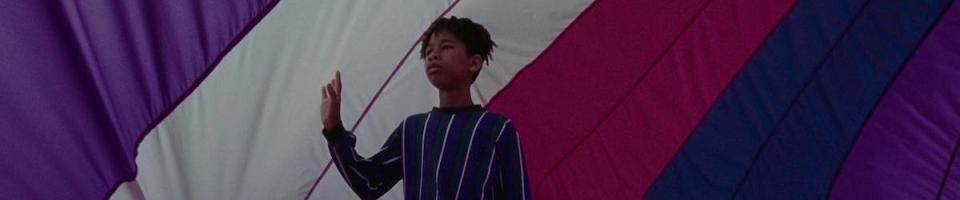
Watching Jane Schoenbrun’s dark dissection on the stasis of loneliness and not knowing (or being able to accept) yourself is obviously a film about the trans experience in hindsight, but after walking out of the film the first time I saw it, the trans elements of the film felt more subtextual than the actual text of the whole movie. That isn’t to say the movie didn’t work the first time I saw it, as Schoenbrun’s filmmaking took a giant leap forward in their second feature. Filled with so many interesting ideas and imagery about the way we internalize and connect with the nostalgia of our youth and the dangers of not being able live a life if you don’t let yourself exist outside of those worlds, I Saw the TV Glow works so well on that level entirely. But if you read up on the intentions behind the film and the stages of some of the artists involved own journey around gender, the film only grows in depth and meaning. Schoenbrun is one to watch, as they have quickly shown a boldness of vision as a director and are unafraid to challenge their viewers; I Saw the TV Glow has one of the best downer endings you will ever see.

Love Lies Bleeding
Rose Glass’s sophomore feature has big sapphic energy, mixed with some Coen-esque crime drama, while also finding plenty of moments of dark humor along the way. Kristen Stewart and Katy O’Brian work so well together on screen, while Dave Franco, Ed Harris, Jena Malone and Anna Baryshnikov circle around them serving as foils to their various hopes and desires. Glass’ use of magical realism is few and far between, but it lends an air of wonder to the film, while capturing the feeling of love and desire in a way that feels unique. I wonder if this would have jumped up a few spots had I given it a second watch, as the genre jumping kept me a bit off kilter, but once I settled in this felt like something special. Can’t wait to see what Glass does next.
A Real Pain
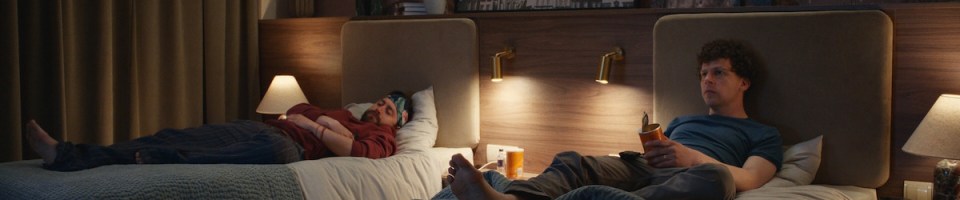
Jesse Eisenberg’s two hander about how a family deals (and doesn’t) with history, grief and their relationships finds a lot of humor in those potentially fraught subjects, as his script keeps things moving along and let’s himself and Kieran Culkin bounce off each other, and the other folks, on their holocaust tour across Poland. Culkin and Eisenberg are both excellent in quite different ways, the ying and yang of neurosis and how it manifests socially, with Eisenberg’s script having more than a few powerful moments breakthrough, while never losing the humorous side of the writing along the way. It’s a delicate balance of tone, and Eisenberg has quickly leveled up as one of our under appreciated filmmakers with only his second film.
The Top 20:
20. Alien: Romulus
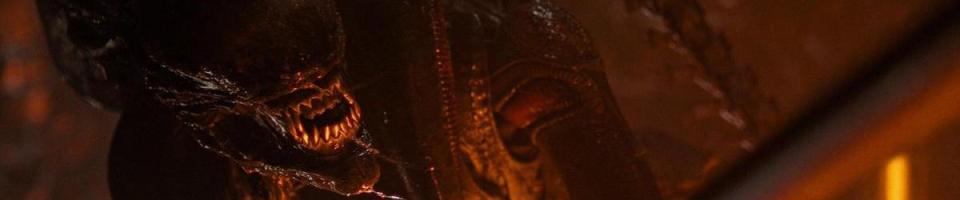
Fede Álvarez’s reboot of the Alien series started off as a disappoint to me before a script was even written, because it’s existence was a step away from Scott’s late period revival of the franchise around the android David, and I was so bummed we were seemingly getting further away from ever seeing David’s story brought to a conclusion. But, he won me over in the end, as Álvarez’s script and imagery was quite successful at pulling in elements of the franchise that he loved, and he clearly loved him some Prometheus goo as much as this guy. In fact, this film serves as sequel to Prometheus as much as it does a sequel/prequel to Alien/Aliens, giving us a full on engineer hybrid bad guy as the final act antagonist. I wish I cared about this crew a bit more than I do, but Cailee Spaeny is a great grounding presence at the center of this film, with David Johnson’s android Andy being able to go toe to toe with all of the great android character’s in the series. Álvarez is just having so much fun playing in this sandbox of ideas, with some gorgeous shots and sci-fi imagery to boot, I’m now actively anticipating his follow up, and even have some hope that maybe David’s still out there for our heroes to bump into down the line.
19. The Substance
Coralie Fargeat’s demented reflection on the psychological damage society has done to women is an intentionally over the top and on the nose assessment of the state of things, and that is fine by me, but what made this film so damn good and memorable was Fargeat’s vision and absolute commitment to the bit; culminating in one of the funniest and most exciting finales you’ll find in any movie. Demi Moore stars as our user of the titular substance, Elisabeth Sparkle, and she meets the film head on as she slowly deteriorates as the younger version of her psyche holds on longer and longer because, well, why wouldn’t you. Moore is getting plenty of deserved accolade in the film, but Margaret Qualley is just as good and deserving. Moore gets some of the meatier material to play with, exploring the damaging psyche of an aging woman, but Qualley sells us on the allure, fun and desire of being the hot young thing; we get it, even if we know it’s grotesque that we do. Fargeat’s finale though is why we will remember The Substance, as I’ve never been so excited by a title card reveal that we’re going on a 4th act journey most folks wouldn’t have the guts to try and pull off. Bring your poncho.

18. Mufasa: The Lion King
I never saw the previous “live-action” remake of The Lion King, an exercise in “Why?” that no one ever really gave me a good enough case to dive into it, so color me shocked (well, sort of) that I was so affected by Barry Jenkins’ Mufasa. That parenthetical “soft of” got dropped in there because, of course, this is a Barry Jenkins’ film which means it is something great. It’s one of the most impressive feats of an artist managing to lace in themes important to them and the world into a major corporate blockbuster, transcending the impetus of the project as a money making piece of content into a children’s adventure film filled with political commentary and messages of togetherness that remains more and more prescient by the day. Jenkins’ film is full of beautiful animation, a camera that feels alive in a world that most animated film’s can’t match and the message that the white male patriarchy will be the end of civilized society if we don’t all stand up against it; together. The film’s only real misstep is the next to impossible explaining of how the hell Scar ended up being in The Lion King, but they almost pulled that off. So many film fans were so worried that Jenkins was wasting his time working on this Disney tentpole for so many years, then didn’t even see the picture to find out what he was up to, and that’s a shame. Jenkins continues to pump out incredibly meaningful art, viewers need to stop making excuses about why they didn’t see it. *Oh, and Lin-Manuel Miranda’s “Bye Bye” was one of the most deliciously dark songs in a kids film that I’ve ever heard, and Mads Mikkelsen killed it.
17. Blitz
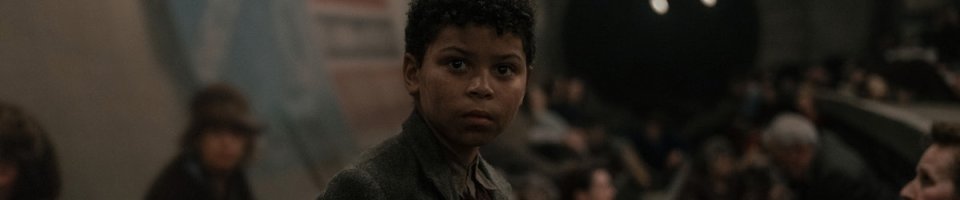
Steve McQueen’s latest was unceremoniously dumped onto Apple TV+, after an unceremonious minor theatrical release, and that’s a damn shame. McQueen is one of our most talented and exciting director’s working today and Blitz does nothing to make one think that still isn’t true. Taking us on a child’s journey of survival as he tries to return to his mother during the German bombing of London in WWII, McQueen is able to give us a perspective on this well trodden era of history on film, using the episodic nature of our young hero’s harrowing adventures to dig into and explore the themes that have permeated all of his theatrical works; the black/racist experience across history. Filled with exquisite craft work, impressive camera movements and quality acting across the board, it’s the film’s eye towards the social injustice that’s always just under the surface of even the most unifying “we’re all in this together” moments of history that makes this film so powerful. And, sadly, it’s reminder that fascists are bad and we should all be aligned against them, somehow, continues to remain extremely relevant in our day to day lives.

16. ME
Don Hertzfeldt’s ME is the only short film on this list, but it’s here because it is 22 minutes of cinematic nirvana. Blending Hertzfeldt’s sci-fi morbid humanity with an energetic jazz score, that creates a whole world that could be explored in further shorts; ala his previous trilogy “World of Tomorrow”. ‘Dinner at the Sugar Bush’ by Brent Lewis drives the story forward, wrapping you up in it sonic mastery, but Hertzfeldt’s genius lies in his ability to wrap you up in some euphoria so he can drop some deep and dark shit for you to ponder. Hertzfeldt’s film continues to evolve his animation style, even if the simple line art remains, as he’s able to continue to get so much across to the viewer with such basic imagery. Getting to see this in as a theatrical double feature with Hertzfeldt’s “It’s Such a Beautiful Day” on a giant screen was one of the great cinematic experiences of the year, and if that road show ever pops up in your town, do not miss. I hope there is more from the world of ME to come from Hertzfeldt.
15. The Bikeriders
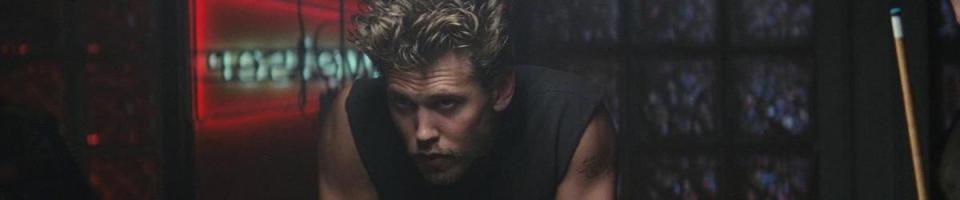
Jeff Nichols’ underrated epic takes us through the Chicago biker scene of the late 60’s, with a few star turns by Austin Butler, Jodie Comer and Tom Hardy anchoring this fast paced crime epic that was always going to end up hitting the beats it hits. Nichols’ turns in an extremely effective rise and fall crime saga, that I think can be complimentary compared to some of the best the sub-genre has to offer. Comer lights up the screen as the fast talking keeper of “the boys”, while Butler is able to smolder with charisma as the hard nosed #2 of the biker gang. Hardy’s performances as a man with a code is also as compelling as one would imagine, whose heart in the right place intentions blind him to the world crumbling around him. A great soundtrack, wonderful direction and an energy that could fuel this story for hours, Nichols delivers a mainstream product that greatly benefits from his grounded approach to filmmaking. Butler has never looked hotter than he does in that bar, it what could have been the shot of the year.

14. Civil War
Welp, this is getting too real… Alex Garland’s imagining of a modern American civil war is told through the eyes of a group of journalists, and while the film doesn’t explicitly put it’s thumb on the scale of the political conversation (the journalist angle let’s him keep things objective), his goal is to show how horrible war is no matter what side you are on. Kirsten Dunst, Cailee Spaeny, Wagner Moura and Stephen McKinley Henderson take us on a road trip through the back roads of atrocities being perpetrated in the name of war, with Spaney’s young pup serving as a mirror of where these veteran war journalists came from and how their years of service in the field have broken them down. Garland’s cinematic skills keeping getting stronger, and he shows off those skills in spades with an electric finale as the journalist join the siege on Washington and try to be the ones who get the last shot at the soon to be fallen president. One can only hope things don’t get to where they have to go in this picture; even if we can share in the glee of the film’s final moment.

13. The End
Joshua Oppenheimer’s feature debut (after winning critical acclaim for his previous two documentaries) is an original musical taking place entirely underground in a bunker created by a rich couple that definitely contributed the end of civilization as we know it. It’s also of a piece to Oppenheimer’s previous work, as he forces his characters to face the past atrocities they are trying to hide from when a young woman appears in the bunker, and the false histories they fed their never seen the surface son start to crumble. George MacKay gives one of the best performances of the year as a man-boy who has only ever talked to the five people in his life, while Michael Shannon and Tilda Swinton face their past in quite different and compelling ways. Oppenheimer’s staging of the musical numbers are full of bravado camera moves, and I love the salt mine “stage” he returns to with each character. Oppenheimer’s anti-happy ending would be the downer of the year if it wasn’t for the next film on this list, but The End is so great because it forces you to face your own complicit moments, even if you aren’t bringing upon the end of the world; we’re just watching it.
12. Here
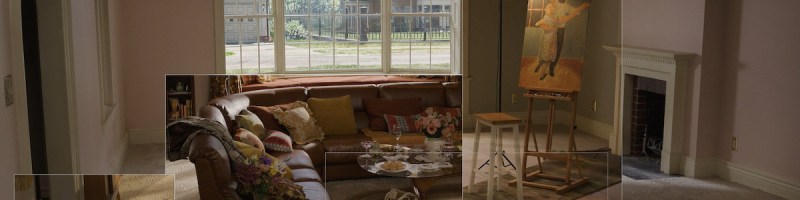
Robert Zemeckis’ latest is more than it’s camera gimmick, a fixed perspective that captures thousands of years of one spot somewhere in the American northeast, it mostly settles in to watching five families that inhabit one house built around the camera’s location. Even more specifically, we watch Tom Hanks’ Richard age from, basically, the cradle to the grave, while his family members come and go and his own children are born and leave the home. At the core, it’s a study of Hanks’ Richard’s relationship with Robin Wright’s Margaret, and how the failure of the American dream can tear apart a family from the inside, out. Zemeckis’ adaptation lets time soldier on, crushing dreams in its path, and isn’t remotely the sentimental boomer back patter his work often (wrongly) gets pinned as. The final scene of this film is full of earned heartbreak (I cried when the camera moved and Wright is incredible), but also serves as one of the darkest endings of the year, as Richard’s delusional attempt to reclaim happiness in this home with his addled wife is an incredible damnation of the generation the film’s critics claim it’s putting on a pedestal. Zemeckis still has that fastball, baby!
11. A Complete Unknown
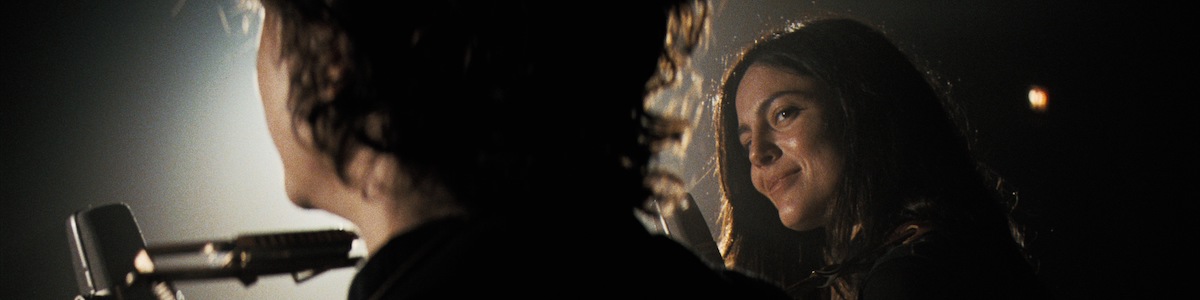
James Mangold’s Bob Dylan biopic is anything but the Walk Hard-esque bungle some people claimed (maybe wanted) it to be, as Mangold’s direction and script never tries to tell us about his genius; it just lets the songs do that for him. Filled with great acting and musical performances by everyone in the cast, Timothée Chalamet embodies the assholery arrogance of Dylan, while being one of the few actors that still has the charisma to charm everyone they come across. Monica Barbaro gives the breakout performance of the year, setting the screen a flame on her own; and especially whenever her and Chalamet share the stage. Their rendition of “It Ain’t Me, Babe” is one of the highlights of the year. Edward Norton can’t be forgotten though, as his Pete Seeger is the gentle sage, always with something clever to say and takes the bright side (most of the time). I’ve been hot and cold (and warm) on Mangold over the years, but this is easily my favorite film yet from him.

10. Conclave
Edward Berger’s papal drama is less a who done it, and more a who wants it, and in a word; everyone. Ralph Fiennes stars as our Cardinal in charge of appointing a new pope, but as the game builds up around who will collect the most votes, Lawrence must weather the whispers around who might not quite be pope material. The film worked well enough on first viewing, but it was on a re-watch where the film’s pacing, editing and cinematography really showcased themselves as being some of the best of the year. Dotted with great performances from everyone involved, Stanley Tucci is a firecracker representing the liberal side of the aisle, while Sergio Castellitto steals the movie as the vaping conservative side of the vote. It’s a late monologue from Carlos Diehz that real brings it all together, you believe in his words and the minds it changes; just quietly powerful stuff.
9. Queer
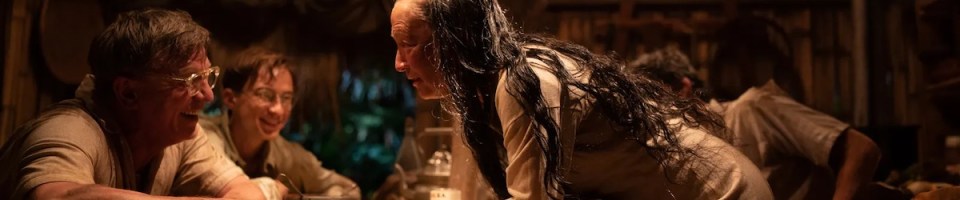
Luca Guadagnino’s first of two appearances on this list, Queer sees him adapting a William S. Burroughs’ novella, a semi-auto-biographical tale about his journeys through Mexico City and beyond, looking for love and getting drunk every day (and night). The Burroughs surrogate, Lee, is played incredibly by Daniel Craig, turning in a performance unlike anything he’s done before, and he’s matched by a scene stealing Jason Schwartzman who gets as many laughs as Craig as they troll for a “queer” match. Drew Starkey is a gorgeous enigma, while Lesley Manville swoops in for a third act trip that cements the aching heart at the center of Lee and this film. Guadagnino collaborated with Justin Kuritzkes on both this and Challengers, and the pair are clearly in sync. The soundscape is also one of the best of the year here, with a great Atticus Ross & Trent Reznor score melding with some incredible anachronistic needle drops. Queer is one of the most underrated films of the year and most of you missed it, change that.
8. Challengers
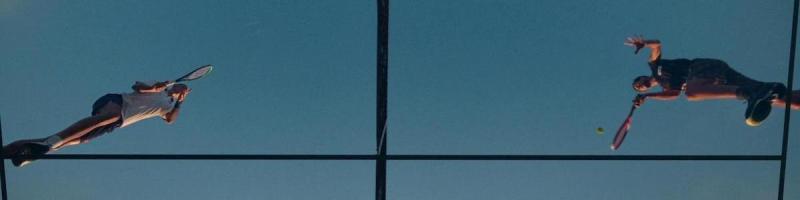
Luca Guadagnino’s tennis “throuple” comedy is a star showcase for its three leads, as Zendaya, Josh O’Connor and Mike Faist all turn in multi-layered performances that take them from teenagers to bored marriage partners. O’Connor is particularly delightful as the dirtbag vibe of this group of friends/lovers, shining as the lovable friend with Faist and driving Zendaya so insane the only cure may be to sleep with him. The tennis scenes are a blast, driven forward by the phenomenal score by Reznor & Ross, while Guadagnino’s time hopping structure keeps us on our toes and reveals relationship twists with ease. It’s the film’s final scene though that put this so high on my list, as it crystallizes everything that came before it so clearly that it takes the film to another level. As Tashi Duncan would say, “LET’S GO!”
7. The Brutalist
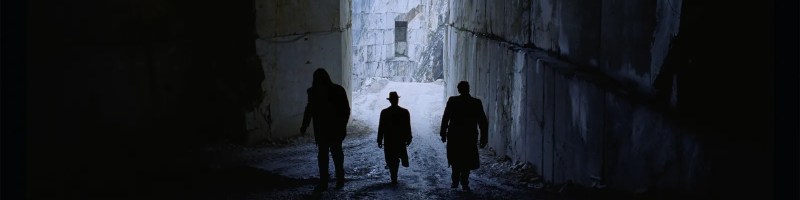
Brady Corbet’s immigrant epic is all about the “American Dream”, how it’s bullshit really, and in the capitalist system we are nothing unless we are something to someone who is insanely wealthy. Maybe that’s a tad of an oversimplification, but then again, maybe it’s not? Corbet’s film is subtly unsubtle with its allegories and cemented by three amazing performances by Adrien Brody, Guy Pearce and Felicity Jones. Brody is a raw nerve as he arrives in America as a Jewish refugee of World War II, getting chewed up and spit out by the system, only to be “saved” by Guy Pearce’s wealthy industrialist who is only looking out for himself; to say the least. Jones doesn’t show up til after Intermission, but she leaves plenty of drama in her wake as she radically impacts our story and the men who think they’re the center of it. Corbet has quickly leveled up as a director to watch, and he and his partner/collaborator Mona Fastvold already have another project (Ann Lee) to watch coming out this year; I can’t wait.

6. Flow
Gints Zilbalodis’ Flow is about a cat. It’s about a capybara and ring-tailed lemur. It stars the most lovable dummy of a yellow lab. And there is a wise secretarybird that guides and protects them along the way. There are no humans, probably all dead, and no talking either. Yet, this film is about how we all need to stick together if we want to survive this hellscape of a world we are running around in; especially if we even want to have a shot at hopping in that boat with these wonderful creatures. Yes, there is lots of cat peril, but curiosity won’t kill the cat, I promise. Zilbalodis and his very small team have crafted a pretty beautiful picture (yes, the low res animals do stick out), with some amazing camera work and life-like scenery that works to immerse you along with the perfectly realized mannerisms of the animals. Flow blew me away, and is probably the movie I most regretted not seeing in the theater this year. That Criterion 4K can’t get here soon enough!
5. A Different Man
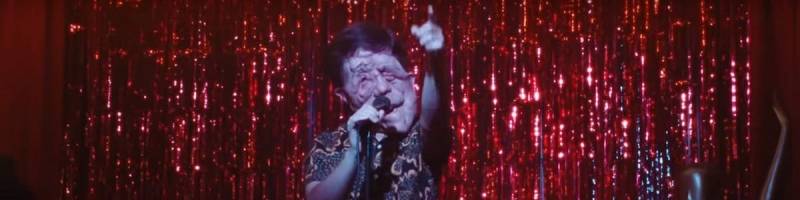
Aaron Schimberg’s A Different Man is a dark comedy about identity, and how chasing the “best version of yourself” doesn’t mean you’ll be remotely happy. Looks aren’t anything if you can’t love yourself, and Sebastian Stan is brilliant in the lead role as a disfigured man who gets a chance to look like Sebastian Stan. Stan’s Edward quickly learns that just because he looks different on the outside doesn’t mean he will be whole on the inside; only to have his mind blown when a man with a similar disability to himself doesn’t seem to have any of the problems Edward blamed on those same “shortcomings”. Adam Pearson stars as the jovial Oswald, in one of the absolute best performances of the year. Full of confidence and bravado, Pearson shines in the exact opposite way that Stan seems to almost be imploding into a black hole of depression. They are connected by a chaotic Renate Reinsve, who uses Edward’s tragedy and death (Edward’s new faced version of himself he self-proclaims as Guy) to her own artistic ends, first casts Guy, then Oswald enters the picture, and all hell breaks loose. A film that is unpredictable, Schimberg offers us a journey to depraved ends, I suggest you take it.
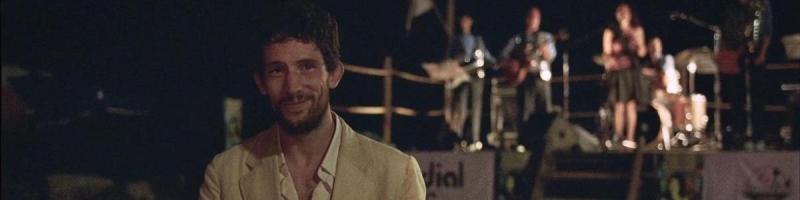
4. La Chimera
Alice Rohrwacher’s melancholic grief romance slowly unfurls its sadness, as the film is grounded in some seemingly zany grave robbing adventures of a troupe of Italian misfits. Robbing the art/pottery from ancient graves to sell to a fence dealing in antiquities, their success hinges on the magical skills of a British expat who has a sixth sense to find these fortuitous tombs. Josh O’Connor stars as our British rogue, living in a shack on the side of a hill, barely shambling out to help this ragtag group of thieves, seemingly always wearing the same used to be white suit, but the actor’s natural charisma oozes off the screen and we will follow him anywhere. Enter a young mother, a quirky and hilarious Carol Duarte, who begins to shake O’Connor’s Arthur out of his funk (if just a bit), as he maybe considers setting himself free of the grief that hangs over him. A film that’s hard to describe or sell, the movie is a feeling, and your heart swells as you watch Arthur attempt to re-discover himself.
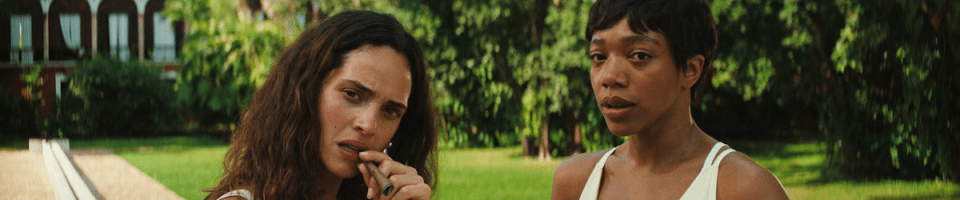
3. Blink Twice
Zoë Kravitz’s directorial debut was underrated by Friday morning of its opening weekend. The film only becomes more prescient by the day, barely a satire of ultra-wealthy tech bros, that doesn’t shy away from the trauma that countless women have endured and never cheapens it along the way. Naomi Ackie and Adria Arjona anchor the female side of the cast, having as much fun as the actors on the male side of the picture when they are playing boys club among the island hideaway. The dark underbelly of the film hits like a sledgehammer, but Kravitz is able to thread the needle in her script, filling the finale with pitch black humor and some heroes to root for, even if some awful things play out along the way. Kravitz’s direction is as strong as her writing, getting amazing performances from everyone involved (including getting a bunch of great actors to do some pretty terrible things), while clearly having an eye behind the camera that isn’t just a flashy bag of tricks. I was ready to give Blink Twice five stars out the door, but the final scene felt like a step too far for me. Still, Kravitz’s future behind the camera is as bright as her career in front of it; this woman has talent!

2. Dune: Part Two
Denis Villeneuve’s follow up to his first half adaptation of Frank Herbert’s Dune surpasses its predecessor in almost every way, mirroring that film’s structure (most memorably with climactic knife fights) and how their scales can reach an epic awe, all while nailing the quiet moments that make these movies as powerful as they are. Timothée Chalamet completes this arc of Paul Atreides by rising to the myth put at that character’s feet, with his big speech to the Fremen being one of the most exhilarating scenes of the year. He is matched by Zendaya, who’s tragic arc of love pays off the minimal screen time she’s teased out in the first film, all while going toe to toe with him as an action star across the dunes of Arrakis. The deep bench of supporting stars are possibly the ensemble of the year, with Javier Bardem delivering one of the best comedic performances of the year and Austin Butler one of the most psychotic, but Rebecca Ferguson quietly almost steals the movie as the scheming Bene Gesserit mother who is plotting her son to the top of the universal stage. If Villeneuve nails Dune: Messiah, he might have himself the greatest film trilogy of all time, an impressive start with Dune & Part Two.
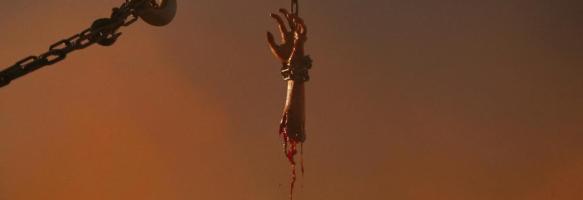
1. Furiosa: A Mad Max Saga
George Miller’s epic prequel to Mad Max: Fury Road had as big a hill to climb as any prequel/sequel ever put to film. Its direct predecessor is very easy to argue as possibly being the best film of this century, but somehow Miller has made a film that is it’s equal, even if it’s never going to match the experience of watching Fury Road for the first time. Miller’s five chapter structure, charting the path of Furiosa from young child to warlord of the wasteland walks us right up to the start of the previous film, but paints a harrowing portrait along the way. Full of incredible action set pieces, magnificent performances from Anya Taylor-Joy/Alya Brown, Chris Hemsworth and Tom Burke, with a cinematic language that only someone as talented as Miller could put up on the screen. Furiosa: A Mad Max Saga was more awe inspiring and beautiful as any other film this year. Miller’s latest felt original, even if still clearly a piece of the Mad Max franchise, and it’s a shame that this was considered a box office bomb and that we might never get a chance to go back to the Wasteland. The Furiosa/Fury Road double feature will stand the test of time as one of the great cinematic achievements of this century when it’s all said and done.
Thanks for reading, and here is some other The Best Of content by me:
A Year In Film: 2023, 2022, 2021, 2020, 2019, 2018, 2017, 2016, 2015, 2014, 2013, 2012, 2011, 2010, 2009, 2008, 2007
 Middle of the Row